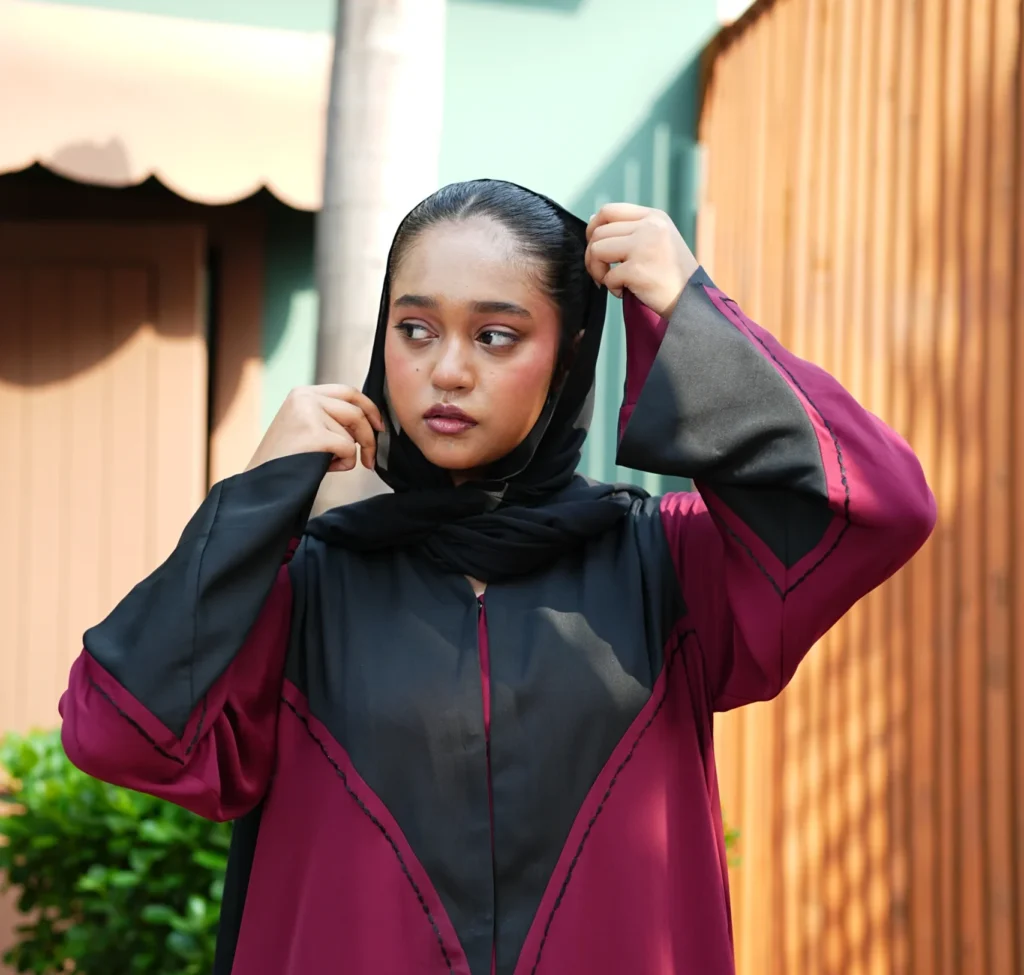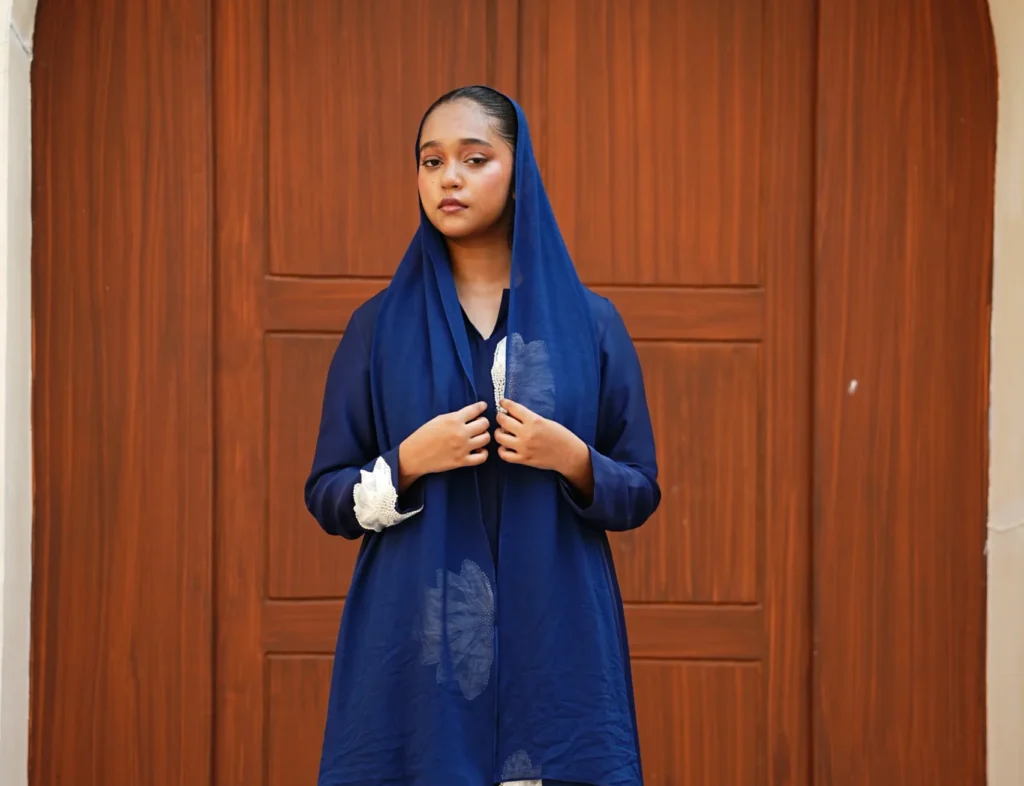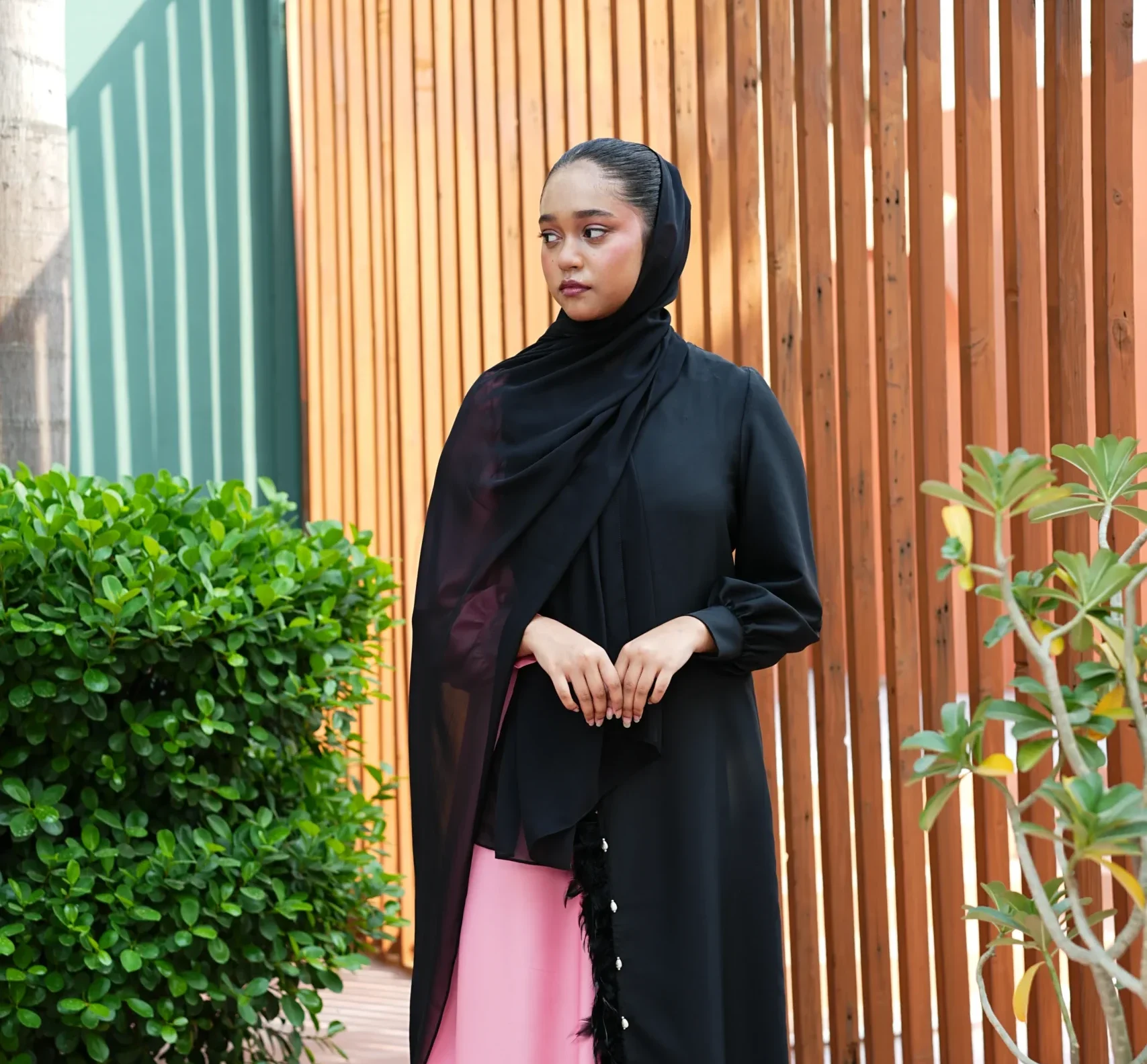
Choosing the right abaya is not only about its design or colour. The fabric plays an equally important role in how comfortable, breathable, and practical an abaya feels throughout the day. In Pakistan, where summers can be extremely hot, humidity can make clothing uncomfortable, and winters vary from city to city, choosing the right fabric can make a noticeable difference.
An abaya that looks elegant but feels heavy in the heat may not be suitable for everyday wear. Similarly, a lightweight fabric that works well in summer may not provide the warmth or structure you prefer during cooler months.
Whether you need an abaya for university, work, shopping, travel, daily errands, or special occasions, understanding different abaya fabrics can help you make a more informed choice. This guide explains some popular abaya fabrics, their benefits, and how to choose the right option for Pakistan’s changing weather.
1. Why Fabric Choice Matters in Pakistan
Pakistan experiences different weather conditions throughout the year. Summers in cities such as Lahore, Multan, and Faisalabad can be particularly hot, while coastal areas such as Karachi often experience high humidity. Northern regions and many parts of Punjab can become considerably colder during winter.
Because of these differences, one fabric may not be suitable for every season or situation.
The right fabric can help your abaya feel lighter, allow better airflow, and make movement more comfortable. It can also affect how the garment falls, whether it wrinkles easily, how much care it requires, and how formal or casual it looks.
Before choosing an abaya, consider three important factors: the weather in your city, how long you usually wear the abaya, and the occasion for which you need it. An abaya worn for several hours outdoors may require a different fabric from one reserved for dinners or formal gatherings.
2. Best Abaya Fabrics for Hot Summer Weather
During Pakistan’s summer months, breathable and lightweight fabrics are often the most practical choice. However, lightweight does not automatically mean comfortable. The fabric should also have a suitable texture, opacity, and drape.
Nida Fabric
Nida is a popular choice for abayas because of its smooth texture, elegant drape, and polished appearance. Depending on the specific variety, it can feel soft and lightweight while maintaining a refined silhouette.
For everyday wear, a lighter Nida fabric may be suitable for women who want an abaya that looks elegant without appearing overly formal. It can also work well for office wear, family visits, and other occasions where a neat appearance matters.
However, not all Nida fabrics feel the same. Some varieties are thicker or more densely woven than others. If you live in a particularly hot area, check the fabric’s weight and feel before purchasing.
Best for: Everyday wear, office settings, shopping, and semi-formal occasions.
Cotton Blends
Cotton and cotton-blend fabrics can be useful options for warm weather because cotton generally allows air to circulate and absorbs moisture. A cotton blend may also offer improved drape or wrinkle resistance compared with some pure cotton fabrics.
These fabrics can be especially practical for women who spend time outdoors, travel frequently, or prefer comfortable clothing for daily activities.
The main consideration is the fabric’s structure. Some cotton materials wrinkle easily, while heavier varieties may feel less comfortable in extreme heat. Choose a lightweight option with enough coverage for your needs.
Best for: Casual outings, daily errands, travel, and relaxed everyday wear.
Lightweight Polyester Blends
Some lightweight polyester-blend fabrics are popular for abayas because they can drape well, retain their shape, and require relatively simple care. Their performance depends on the weave, thickness, and blend rather than the fibre name alone.
Certain polyester fabrics can feel warm in humid conditions, particularly when they have a dense construction or limited airflow. For this reason, check the fabric in person whenever possible and avoid assuming that every lightweight synthetic material will be cool.
Best for: Women looking for easy-care abayas with a neat finish, provided the fabric is suitable for the local weather.
Chiffon for Layering and Special Details
Chiffon is lightweight and gives clothing a soft, flowing appearance. It is often used for overlays, sleeves, scarves, and decorative elements in formal abayas.
Because chiffon can be sheer, it may not provide enough coverage when used alone. It can also require more careful handling than sturdier fabrics.
For summer, chiffon can work well as an outer layer over an appropriate lining or as a detail in an abaya designed for special occasions.
Best for: Dressy abayas, layered designs, and elegant occasion wear.
3. Which Abaya Fabrics Work Best in Humid Weather?
Humidity can make clothing feel uncomfortable even when the temperature is not extremely high. In humid cities, fabric selection becomes especially important.
Look for materials that feel light against the skin and have a construction that allows reasonable airflow. Loose-fitting designs can also help reduce the feeling of heat by allowing air to move between the garment and the body.
Cotton blends may be worth considering for casual use, while lighter Nida varieties can be suitable for women who prefer a more polished look. The best option depends on the individual fabric, the cut of the abaya, and how much time you spend outdoors.
Avoid choosing a fabric based only on its appearance in product photographs. Two abayas with similar designs can feel very different when worn. If you are shopping online, review the fabric description carefully and check any available information about thickness, lining, and care instructions.
4. Best Fabrics for Winter and Cooler Weather
When temperatures drop, you may prefer an abaya with a slightly heavier structure or a design that can be comfortably layered over warmer clothing.
Crepe Fabric
Crepe is known for its distinctive texture and can provide a graceful drape. Depending on its composition and thickness, it may be suitable for everyday or formal abayas throughout much of the year.
Medium-weight crepe can work well during cooler weather, especially when paired with suitable inner clothing. However, crepe covers a wide range of fabric types, so its warmth and breathability vary.
Best for: Versatile everyday outfits, office wear, and semi-formal occasions.
Thicker Nida and Structured Fabrics
A thicker Nida variety can provide a more substantial feel than a lightweight summer option. Structured fabrics may also help an abaya maintain a defined silhouette, particularly in designs with wide sleeves or tailored details.
For winter, these options can be practical when combined with suitable layers. Check whether the garment has a lining, as this can affect both warmth and comfort.
Best for: Cooler days, modest layered outfits, and a more structured appearance.
Wool Blends and Outer Layers
In colder regions or during chilly winter mornings and evenings, wool-blend outerwear or an abaya-style coat may be more practical than a very lightweight abaya.
These garments can be worn over everyday clothing and paired with a warm inner layer. Since heavier materials can feel restrictive if the fit is too close, look for enough room around the shoulders, arms, and body.
Best for: Winter travel, cold-weather outings, and layering in colder areas.
5. Choosing the Right Fabric for Different Occasions
Weather is only one part of the decision. Your daily routine and the occasion also influence which fabric will work best.
For university or work, choose a fabric that feels comfortable for extended wear and maintains a neat appearance. Lightweight Nida, suitable crepe, and easy-care blends may be good options, depending on your environment.
For shopping and everyday errands, prioritise comfort, movement, and simple maintenance. A breathable fabric with a relaxed cut can be more practical than a heavily decorated design.
For weddings, dinners, and formal gatherings, you may prefer fabrics with a more luxurious drape or decorative details. Chiffon overlays, textured materials, embroidery, and carefully selected embellishments can create an elegant look. Keep in mind that additional layers and decorations may make an abaya heavier or warmer.
For travel, consider fabrics that are relatively easy to care for and less likely to develop noticeable creases. A versatile design that can be styled for different settings may also help you pack more efficiently.
6. Important Things to Check Before Buying an Abaya
Even when you know which fabric you prefer, a few additional checks can help you choose a more comfortable garment.
Check the thickness and opacity. Hold the fabric against the light, if possible, to see whether it provides the coverage you expect. Very lightweight materials may need a suitable lining.
Consider the fit. A breathable fabric can still feel uncomfortable if the abaya is too tight around the arms or body. Choose a fit that supports comfortable movement and your preferred level of modesty.
Look at the drape. Some fabrics fall softly around the body, while others hold a more structured shape. Think about which appearance suits your personal style.
Review the care instructions. Some materials need gentle washing or careful ironing. If you prefer low-maintenance clothing, choose a fabric that fits your usual laundry routine.
Think about colour. Dark colours may absorb more sunlight than lighter colours, although the actual comfort of an abaya also depends on its fabric, weave, fit, and whether it is lined. Choose a colour you enjoy while considering where and when you will wear it.
Read product descriptions carefully. When shopping online, look for clear fabric information rather than relying only on terms such as “premium,” “soft,” or “luxury.” If the details are unclear, ask the seller before ordering.
7. Common Mistakes to Avoid When Choosing Abaya Fabric
One common mistake is buying an abaya based only on its appearance. A design may look beautiful in photographs but feel too heavy or warm for regular use.
Another mistake is assuming that every fabric with the same name will have the same qualities. Nida, crepe, and polyester blends can vary considerably in thickness, texture, and composition.
It is also worth avoiding the assumption that a thin fabric is always the best choice for summer. Coverage matters, and a very sheer material may require additional layers that make the outfit less comfortable in the heat.
Finally, consider how often you will wear the abaya. If you need it for daily use, comfort and easy care may be more important than elaborate detailing. If it is intended for special occasions, appearance and finishing may deserve greater attention.
Frequently Asked Questions
Which fabric is best for abayas in Pakistan’s summer?
There is no single best option for every person or city. Lightweight Nida, suitable cotton blends, and other breathable fabrics can be worth considering. Check the fabric’s thickness, airflow, and opacity before making a choice.
Is Nida fabric suitable for everyday wear?
Yes, many Nida varieties are suitable for everyday wear because of their smooth appearance and graceful drape. The best choice depends on the specific variety, local weather, and how comfortable it feels during extended use.
Is chiffon a good choice for an abaya?
Chiffon can be a beautiful choice for overlays and formal details. Since it is often sheer, check whether the design includes appropriate lining or another layer for the coverage you need.
Which abaya fabric is suitable for winter?
Medium-weight or thicker fabrics, including suitable crepe and Nida varieties, can work well with layers. In colder areas, a warmer outer layer or abaya-style coat may be more practical.
How can I tell if an abaya fabric will be comfortable?
Consider the fabric’s weight, texture, construction, fit, and care requirements. If shopping online, read the product details and ask the seller about thickness, lining, and fabric composition when necessary.
Conclusion
Choosing the right abaya fabric is about finding a balance between comfort, modesty, appearance, and practicality. Pakistan’s changing weather makes it especially useful to consider the season and your local climate before purchasing an abaya.
Lightweight fabrics may be more comfortable during hot weather, while medium-weight materials and suitable layers can work better during cooler months. For everyday wear, prioritise comfort and easy care. For special occasions, consider the drape, texture, and finishing details that suit your style.
At NureStyle Modest Wear, choosing an abaya should feel simple and personal. Focus on the fabric that suits your routine, the fit that lets you move comfortably, and the design that makes you feel confident.
Ready to find an abaya that suits your style and routine? Explore NureStyle Modest Wear and choose a design that fits your everyday needs and special moments.