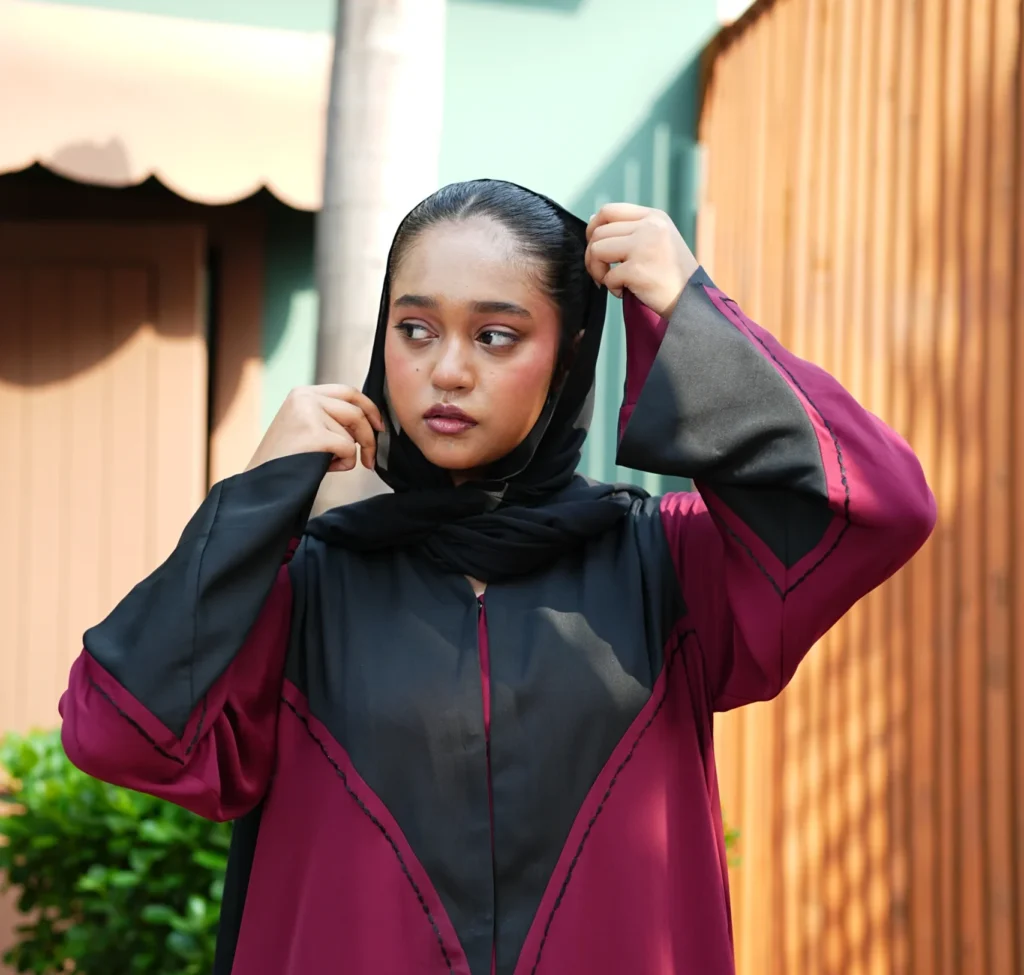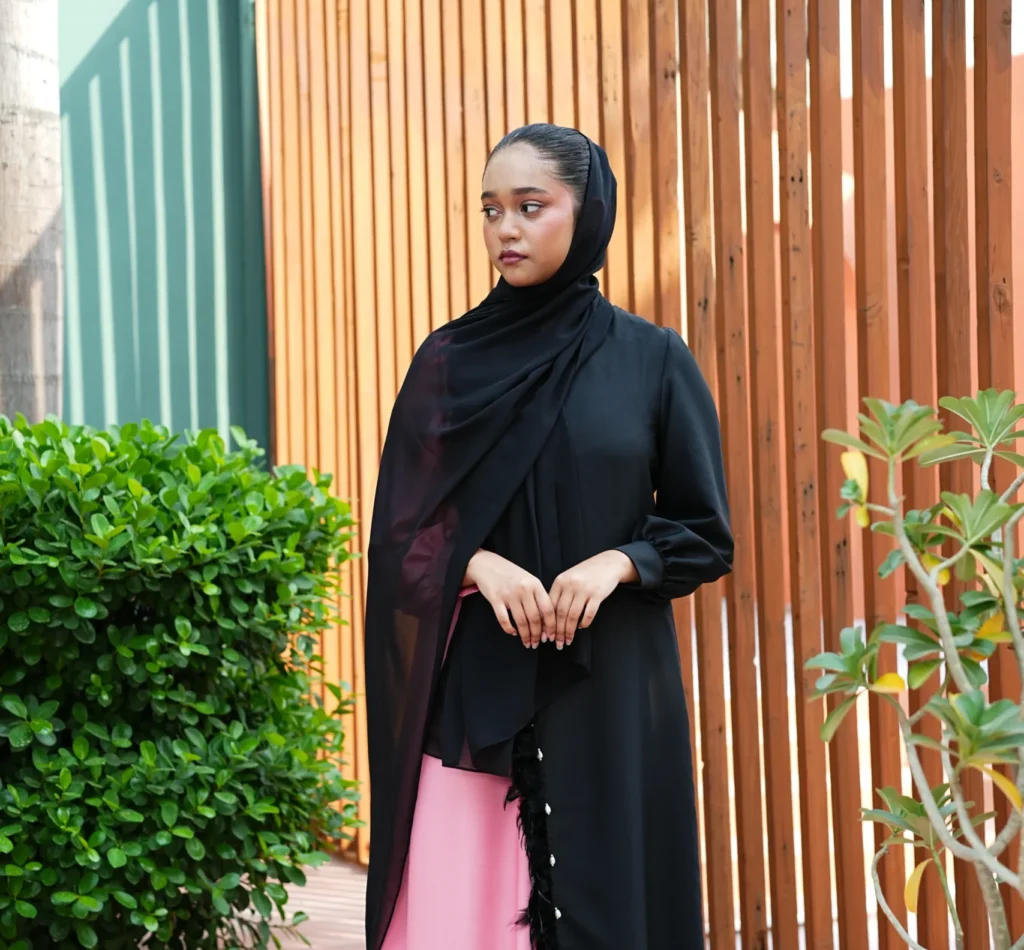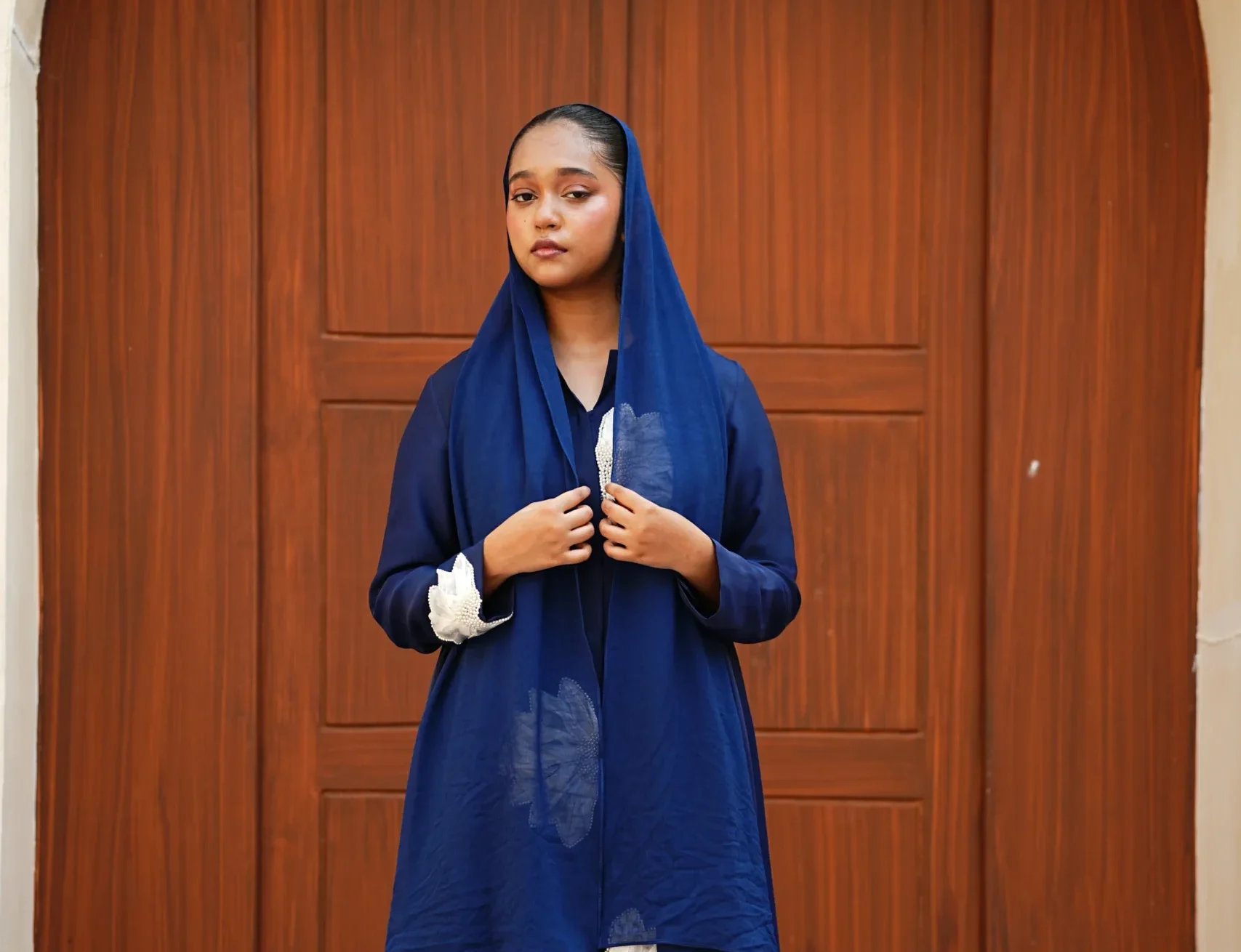
Choosing the right abaya is about more than finding a beautiful design. The perfect abaya should offer comfort, appropriate coverage, a flattering fit and a style that suits your everyday needs. Whether you are shopping for daily wear, work, university, travelling or special occasions, understanding what to look for can help you make a confident decision.
In Pakistan, abayas are worn in different settings, from everyday errands and professional environments to family gatherings and formal events. The weather also plays an important role when choosing modest clothing, particularly during the hot summer months. With so many styles, fabrics, colours and designs available, it is worth considering your lifestyle before making a purchase. This guide explains how to choose an abaya that balances style, comfort and practicality.
1. Understand Which Abaya Style Suits Your Lifestyle
The first step in choosing the perfect abaya is identifying how you plan to wear it. An abaya that works well for daily errands may not be the same one you would choose for a wedding or formal dinner. Thinking about your routine helps you select a design that offers long-term value instead of purchasing something that looks attractive but rarely gets worn.
Open abayas are a versatile option for women who enjoy layered outfits. They feature a front opening and can be worn over an inner dress or coordinated clothing, allowing you to create different looks with the same outer garment. Depending on the design, an open abaya can work for casual outings, shopping, family visits and semi-formal occasions. Closed abayas, on the other hand, offer a more complete, streamlined appearance and are often convenient for everyday wear because they require less layering.
Flared and A-line abayas are popular choices for those who prefer a flowing silhouette. Their shape can provide comfortable movement while maintaining a graceful appearance. Simple versions are suitable for daily use, while designs featuring refined details may work for special occasions. Formal abayas often incorporate embroidery, decorative sleeves, textured fabrics or subtle embellishments to create a more distinctive look.
When comparing styles, consider how easily the abaya fits into your existing wardrobe. A versatile design that can be worn with different hijabs and footwear may be more practical than a highly specific style reserved for one occasion. The best abaya is not necessarily the most elaborate one; it is the design that makes you feel comfortable and confident in the situations where you intend to wear it.
2. Choose a Fabric That Offers Comfort and Suitable Coverage
Fabric is one of the most important factors when deciding how to choose an abaya. It affects the garment’s drape, texture, appearance, maintenance and comfort throughout the day. In Pakistan, where summer temperatures can be high, material selection deserves particular attention. However, no single fabric is ideal for every person or occasion, so it is important to look at the specific material and how the garment is constructed.
Nida fabric is commonly used in modest clothing and is often valued for its smooth feel and elegant drape. Depending on its composition and weight, it can be suitable for everyday designs as well as more formal abayas. Crepe fabrics are available in different textures and weights, making them useful for a variety of silhouettes. Some provide a structured appearance, while others offer a softer, more fluid fall. Lightweight fabrics may be preferable in warmer conditions, but their breathability depends on factors such as fibre composition, weave and construction.
Rather than choosing a fabric based on its name alone, check the product description for material details. Consider how the garment feels against the skin, whether it allows comfortable movement and whether it is suitable for the season in which you plan to wear it. Fabric weight and opacity are equally important. An abaya should provide the level of coverage you expect, including under bright lighting, and some lightweight designs may require an appropriate inner layer.
Maintenance is another detail worth considering. Some fabrics wrinkle more easily than others, while certain garments require specific washing or ironing methods. If you intend to wear your abaya frequently, a material that suits your care routine can make everyday use much easier. For formal occasions, you may be willing to choose a fabric that requires more attention in exchange for a particular drape or finish.
3. Find the Right Fit, Length and Colour
An abaya should allow you to move comfortably while providing the coverage and silhouette you prefer. Even a beautiful design may be disappointing if the sleeves feel restrictive, the shoulders sit incorrectly or the hem is too long. Before ordering online, review the brand’s size chart carefully rather than relying only on familiar labels such as small, medium or large. Sizing can vary between brands and designs.
Pay attention to the garment’s length, bust measurement, shoulder width and sleeve length. If possible, compare the measurements with an abaya you already own and find comfortable. Your height and usual footwear also matter when selecting the length. An abaya that drags on the ground may become inconvenient while walking, whereas a garment that is too short may not provide the coverage you want. If you are between sizes, check the specific sizing guidance and consider how much ease you prefer in your clothing.
Colour is another important consideration because it influences how easily an abaya can be coordinated with the rest of your wardrobe. Neutral shades such as black, beige, brown and grey are versatile options that can pair with different hijabs, bags and footwear. They are particularly useful for women who want an everyday wardrobe with simple, coordinated outfits.
If you prefer more variety, colours such as burgundy, navy and olive can add character without requiring elaborate embellishments. For example, a burgundy abaya paired with a black hijab creates a coordinated look, while a navy design can complement beige or grey accessories. When selecting colours, consider which shades you already own and how often you expect to wear the new garment. A thoughtful combination of versatile and distinctive colours can make it easier to create different outfits without purchasing too many similar pieces.
4. Select an Abaya for the Occasion
Your intended use should influence the design, fabric and level of detailing you choose. For everyday wear, prioritise comfort, ease of movement and a material suited to your local weather. A simple silhouette can be practical for shopping, household errands and casual visits, particularly when it is easy to maintain and coordinate with your usual hijab.
For work or university, a clean design with comfortable sleeves and minimal detailing may suit a busy routine. Consider whether the garment remains comfortable when worn for several hours and whether it allows you to move easily during daily activities. If you travel frequently, you may prefer a design that packs conveniently and does not wrinkle excessively, depending on the fabric.
Special occasions allow more room for distinctive colours, elegant draping and decorative details. An abaya with refined sleeves or subtle embellishments can create a polished appearance for dinners, family celebrations and formal gatherings. Nevertheless, comfort should remain a priority, especially when you expect to wear the garment for an extended period.
You can also make one versatile abaya suitable for different settings by changing the accessories. A simple design paired with a coordinated hijab and comfortable footwear can work for a casual outing, while more formal accessories can create a dressier appearance. This approach helps you make greater use of the pieces already in your wardrobe.
5. Pay Attention to Quality and Avoid Common Shopping Mistakes
Before purchasing an abaya, take time to review its construction and product details. Look at the stitching, seams, sleeve finishing, closures and hem. Clear product photographs can help you understand the silhouette, but written descriptions are important too, particularly when buying online. Check the material composition, available sizes, garment measurements and care instructions so you know what to expect.
One common mistake is choosing a design solely because it is fashionable. Trends can provide inspiration, but your purchase should also suit your personal style and everyday needs. Another mistake is overlooking measurements or assuming that every fabric with the same name will feel identical. The actual weight, finish and composition can vary, so check the details of the specific product.
It is also worth reviewing the return and exchange policy before placing an online order. This is particularly useful when shopping with a brand for the first time. Understanding the available options can help you make a more informed decision if the fit or design does not meet your expectations.
Finally, consider how frequently you will wear the abaya. A practical design that suits several occasions may offer more value than a garment that can only be worn in one specific setting. By balancing comfort, quality, style and versatility, you can build a modest wardrobe that reflects your preferences without making unnecessary purchases.
Frequently Asked Questions
Which abaya is best for everyday wear? A comfortable design with a practical fit, suitable fabric and minimal detailing can be a good option for everyday use. Your ideal choice depends on your routine, climate and personal preferences.
Which fabric is suitable for an abaya in Pakistan? The best fabric depends on the season, the material’s composition and how you plan to wear the garment. Lightweight options may be comfortable in hot weather, but always check the actual fabric details, breathability and opacity before purchasing.
How do I choose the correct abaya size? Review the brand’s size chart and compare the measurements with an abaya you already own. Pay particular attention to length, bust, shoulders and sleeves to ensure a comfortable fit.
Which abaya colour is easiest to style? Black, beige, brown and grey are versatile choices that pair easily with many hijabs and accessories. You can add richer shades such as burgundy or navy for variety.
Can one abaya work for both casual and formal occasions? Yes. A versatile design can sometimes be styled for different settings by changing your hijab, footwear and accessories. The fabric and overall design should still suit the occasion.
Final Thoughts
Choosing the perfect abaya becomes easier when you consider your lifestyle, preferred fit, fabric, colour and intended occasion before making a purchase. Instead of focusing only on trends, look for a garment that provides the coverage you want, allows comfortable movement and complements your existing wardrobe.
A thoughtful choice can help you create a modest wardrobe that feels practical, elegant and personal. Explore the abaya collection at NureStyle Modest Wear to discover designs that suit your style and everyday needs. Compare the available fabrics, measurements and product details to find an option that works for you.