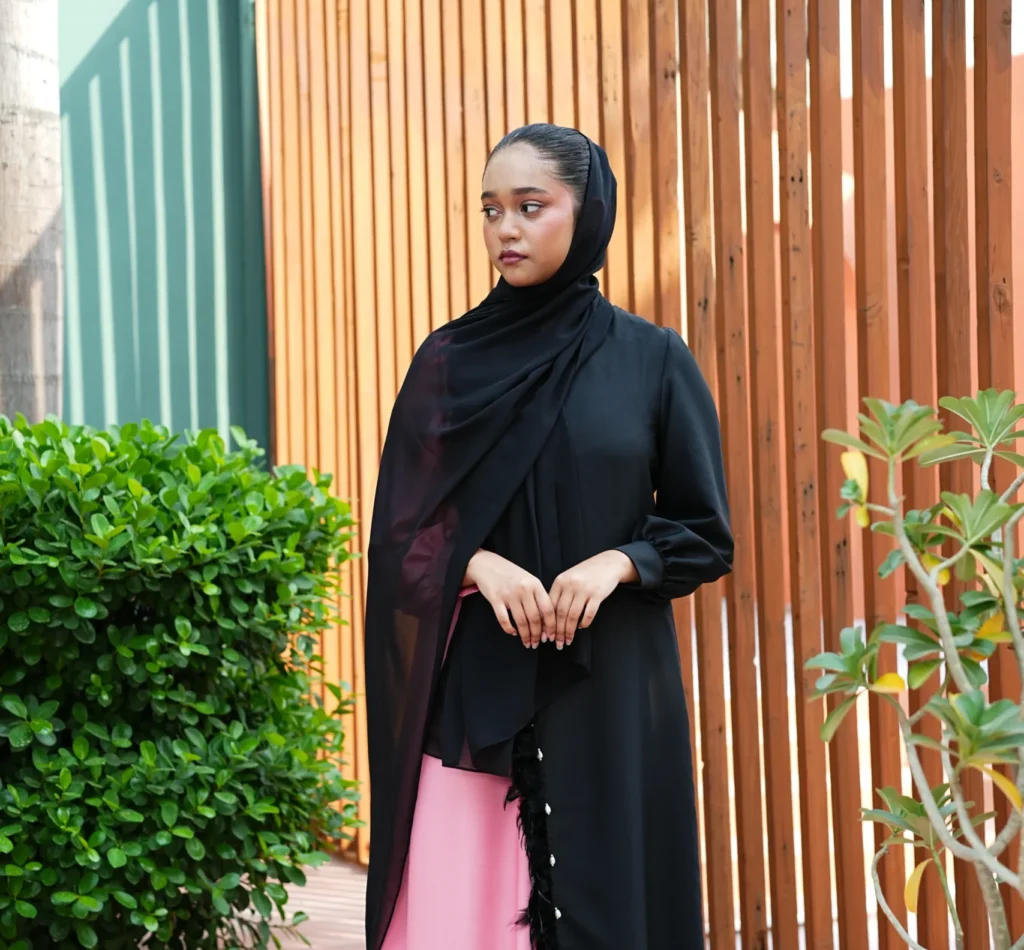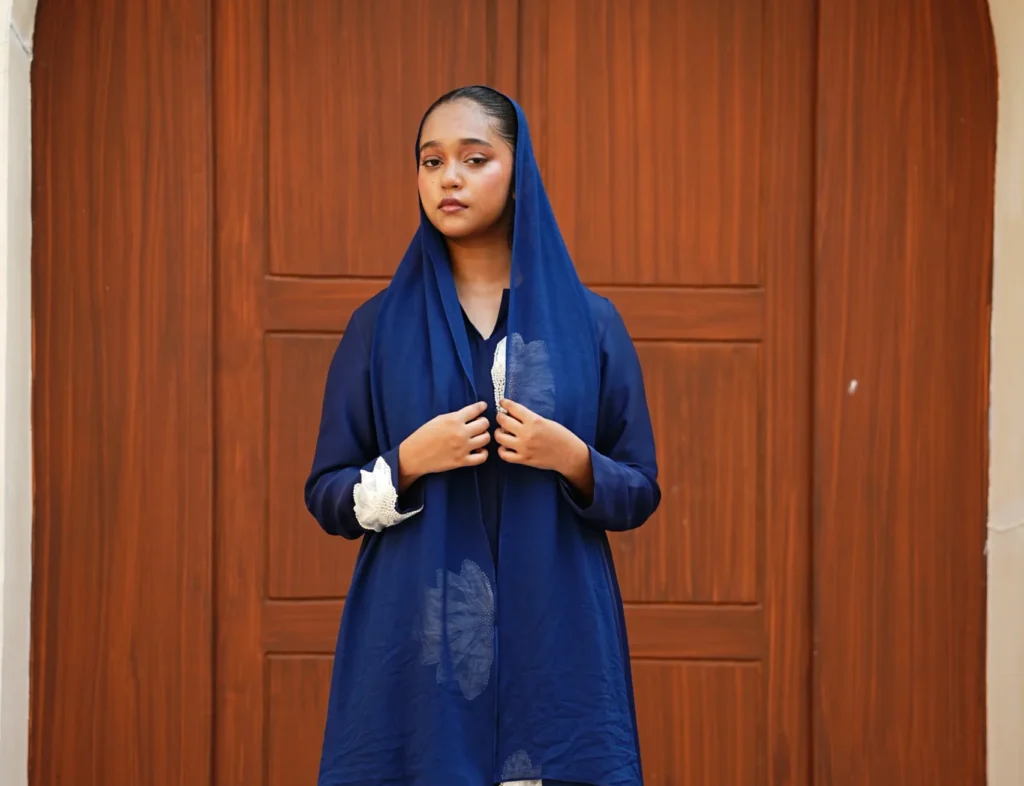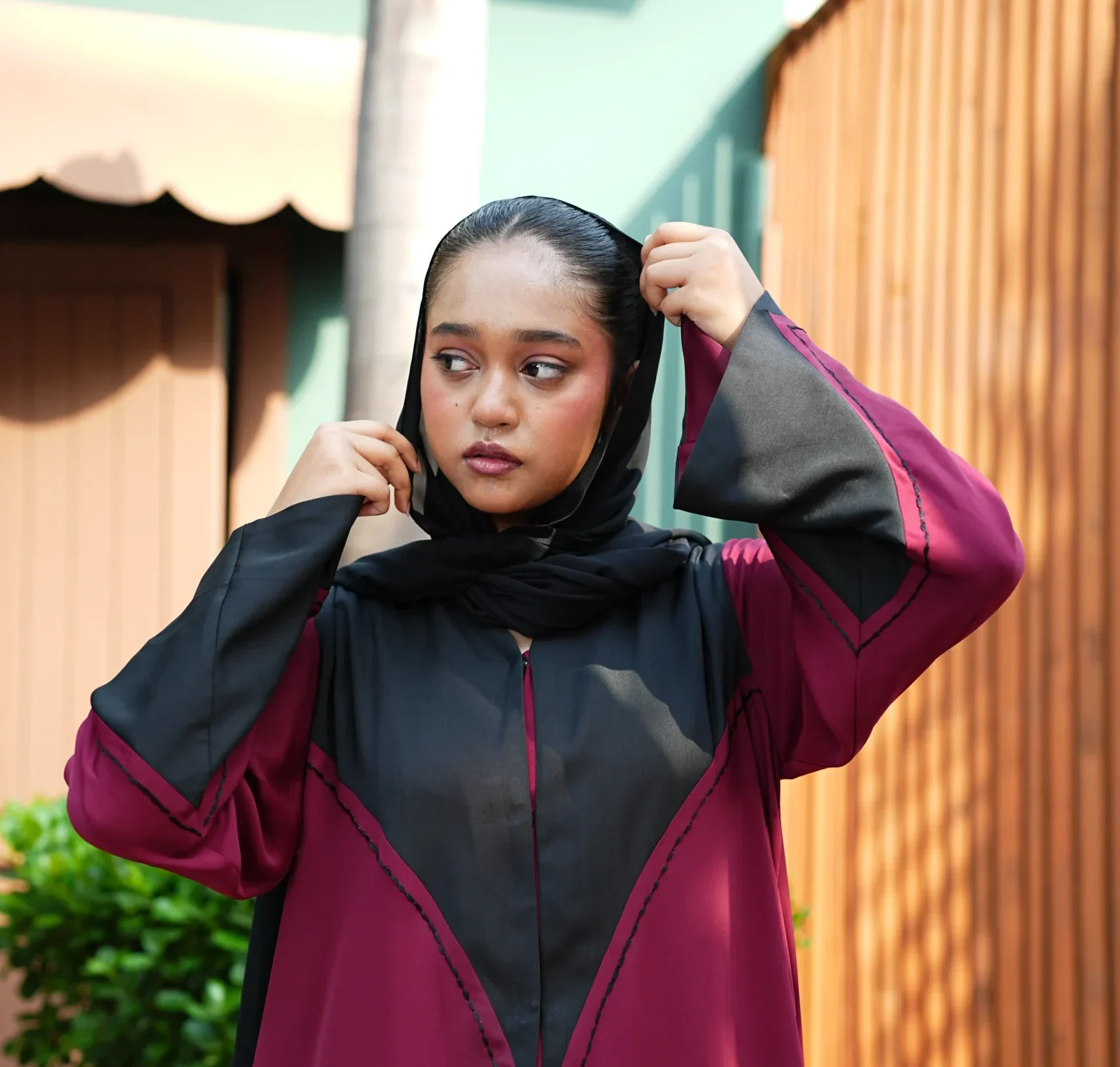
An abaya is one of the most versatile pieces in a modest wardrobe. With the right styling, the same abaya can create a comfortable everyday outfit, a polished office look, or an elegant appearance for weddings and special occasions. The key is knowing how to combine the abaya with the right hijab, footwear, accessories, and other details without compromising comfort or modesty.
In Pakistan, abayas are worn for many different settings, including university, work, shopping, family gatherings, dinners, Eid celebrations, and weddings. Each occasion may call for a slightly different approach to styling. A simple, breathable look can be ideal for daily errands, while a more refined combination of fabrics, accessories, and colours can make an abaya suitable for a formal event.
Whether you prefer classic black abayas, neutral shades, minimal designs, or embroidered styles, this guide will help you create outfits that suit your routine and personal taste.
1. Start with the Right Abaya for the Occasion
Before choosing accessories, consider where you are going and how long you will be wearing the abaya. The design, fabric, fit, and level of detailing all influence how suitable an outfit will be for a particular setting.
For everyday wear, a simple abaya with a comfortable fit is often the most practical option. Minimal detailing, easy-care fabric, and a design that allows you to move freely can make daily dressing easier. Classic black, beige, brown, grey, and other versatile shades are also easy to coordinate with different hijabs and shoes.
For office or professional settings, choose an abaya with a neat silhouette and understated details. A clean finish, well-maintained fabric, and coordinated accessories can create a polished appearance without making the outfit feel too formal.
For weddings, dinners, and celebrations, you can explore abayas with embroidery, textured fabrics, subtle embellishments, or elegant sleeve details. The goal is to create a more dressed-up look while keeping the overall outfit balanced.
Choosing the right abaya first makes the rest of the styling process much simpler.
2. How to Style an Abaya for Everyday Wear
Everyday abaya styling should be comfortable, practical, and easy to repeat. You do not need elaborate accessories or a complicated colour combination to look well put together.
Keep Your Outfit Simple and Comfortable
For daily activities such as shopping, university, appointments, or visiting family, pair a simple abaya with a comfortable hijab and practical footwear. Neutral colours work particularly well because they can be combined in multiple ways.
A black abaya with a taupe, beige, or grey hijab creates a classic combination. If you prefer a softer look, a brown or mocha abaya paired with a cream hijab can feel equally elegant.
Choose a fit that allows comfortable movement, especially if you expect to spend several hours outside. Sleeves, length, and fabric weight should all suit your routine.
Choose Practical Footwear
Footwear can change both the appearance and practicality of your outfit. Flat sandals, loafers, simple trainers, and comfortable closed shoes can work well for everyday styling, depending on your personal preference and the setting.
For long shopping trips or travel, prioritise comfort and secure support. For a slightly more polished everyday look, loafers or simple flats can complement a straight-cut or minimal abaya.
Try to coordinate the footwear with the overall outfit rather than matching every item exactly. A neutral shoe can work with several different abaya colours.
Carry a Useful Everyday Bag
A medium-sized handbag, tote, or crossbody bag can be a practical addition to a daily abaya outfit. Choose a size that suits what you normally carry and a design that complements the abaya without overwhelming it.
Black, tan, beige, and brown bags are versatile options. If your abaya is plain, a bag with subtle texture can add interest. If the abaya already includes embroidery or decorative details, a simpler bag may create a more balanced look.
3. How to Style an Abaya for Work or University
An abaya for work or university should balance modesty, comfort, and a neat appearance. Since these settings often involve extended wear, choose a fabric that suits the weather and a design that does not require constant adjustment.
A straight-cut or lightly flared abaya can create a clean silhouette. Minimal embellishments, subtle buttons, or refined sleeve details can add character while keeping the look appropriate for everyday professional settings.
For colours, black remains a versatile option, but navy, charcoal, olive, taupe, and other muted shades can provide variety. A matching or complementary hijab helps the outfit feel coordinated.
Accessories should remain practical. A simple watch, a structured bag, and comfortable shoes may be all you need. Avoid adding too many decorative elements if you prefer a clean professional look.
For Pakistani summers, pay attention to fabric weight and breathability. If you commute or spend time outdoors, lightweight materials and comfortable footwear can make a noticeable difference. During cooler months, you can layer with suitable outerwear or an additional inner layer, depending on the abaya’s cut.
4. How to Choose the Right Hijab for Your Abaya
The hijab is an important part of abaya styling because it frames the face and influences the overall colour balance of the outfit.
Match Similar Colours for a Coordinated Look
Wearing a hijab in a similar colour to your abaya creates a simple, coordinated appearance. For example, a black abaya with a black hijab offers a timeless look, while a beige abaya paired with a slightly lighter or darker beige hijab creates a subtle tonal combination.
You do not need to find an exact colour match. Slight differences in shade can add depth while keeping the outfit harmonious.
Use Contrast to Add Interest
If your abaya is a solid, neutral colour, a complementary hijab can make the outfit feel more distinctive. A cream hijab with a black abaya, a dusty rose hijab with a brown abaya, or an olive hijab with a beige outfit can create a balanced combination.
For a more formal appearance, choose colours that complement any embroidery or embellishments on the abaya.
Consider Fabric and Weather
Hijab fabric matters just as much as colour. Lightweight options may feel more comfortable in hot weather, while fabrics with more structure can help create a defined style.
For everyday use, consider how easily the hijab stays in place and how much maintenance it requires. For special occasions, you may prefer a fabric with a softer drape or a more polished finish.
Choose a hijab style that feels secure and comfortable throughout the day rather than one that looks good only at the beginning of an outing.
5. How to Style an Abaya for Weddings and Special Occasions
Weddings, engagement celebrations, formal dinners, and family events often call for a more elevated look. You can achieve this without making the outfit overly complicated.
Choose Elegant Details
An abaya with delicate embroidery, textured sleeves, subtle beadwork, or a refined finish can be an excellent option for formal events. If the abaya already includes decorative details, keep the remaining elements simple so the outfit does not look crowded.
For a minimal design, you can add interest through a more formal hijab fabric, an elegant handbag, or carefully chosen jewellery that fits your personal preferences.
Elevate the Outfit with Footwear
For formal occasions, dressy flats, elegant sandals, or heels can complement an abaya. The best choice depends on the event, the venue, and how comfortable you feel walking in the shoes.
If you expect to stand or walk for long periods at a wedding, comfort should remain a priority. A refined pair of flats can look just as appropriate when coordinated with the outfit.
Select Accessories Carefully
A small clutch or structured evening bag can make an outfit feel more formal. A watch, a delicate bracelet, or another understated accessory may also work, depending on the abaya’s design.
If the outfit includes embroidery or embellishments, avoid adding too many competing details. If the abaya is plain, one carefully selected accessory can provide enough visual interest.
The objective is to create a complete look in which each element complements the others.
6. Styling an Abaya for Eid and Family Gatherings
Eid and family gatherings are occasions when many women want an outfit that feels special but remains comfortable throughout the day.
A coloured abaya in a shade such as olive, mocha, navy, dusty rose, or soft beige can offer a change from everyday black. If you prefer black, you can still create a festive look through embroidered details, a contrasting hijab, or an elegant handbag.
For daytime visits, keep the styling light and practical. Comfortable flats, a neatly styled hijab, and a small handbag can work well. For evening gatherings, you may choose a more refined fabric, dressier footwear, or a little more detailing.
Consider your plans before choosing the outfit. If you will be visiting several homes or spending time with children and family, an easy-to-manage abaya may be more useful than a heavily embellished design that requires extra care.
7. How to Style a Black Abaya in Different Ways
A black abaya is a wardrobe staple because it can be styled for different occasions without needing a completely different outfit each time.
For a simple everyday look, pair a black abaya with a beige or grey hijab and comfortable flats. Add a practical tote or crossbody bag for shopping, university, or errands.
For work, choose a black abaya with a clean silhouette, a coordinated hijab, and loafers or simple closed shoes. A structured bag can complete the look while keeping it professional.
For a dinner or special event, choose a black abaya with elegant sleeve details or subtle embroidery. A more formal hijab, dressy footwear, and a small clutch can transform the outfit without requiring excessive accessories.
You can also experiment with colour through your hijab and bag. Cream, mocha, olive, dusty rose, and muted blue can complement black while offering different moods.
The advantage of a classic black abaya is its flexibility. A few well-chosen accessories can help you create several distinct outfits from one piece.
8. Common Abaya Styling Mistakes to Avoid
One common mistake is choosing an outfit based only on appearance without considering comfort. An abaya may look beautiful, but if the fabric feels too heavy for the weather or the fit restricts movement, it may not be suitable for your plans.
Another mistake is using too many competing colours or decorative details. If your abaya is heavily embroidered, a simpler hijab and handbag can help maintain balance. If the abaya is plain, you have more freedom to introduce texture or colour through accessories.
Incorrect length and fit can also affect the overall look. Choose an abaya length that suits your height and footwear, and make sure the sleeves and shoulders fit comfortably.
Finally, do not feel that every abaya outfit needs new accessories. Reusing versatile hijabs, bags, and shoes can help you create fresh combinations while keeping your wardrobe practical.
Frequently Asked Questions
How can I make a simple abaya look stylish?
Pair it with a coordinated hijab, comfortable but polished footwear, and a suitable handbag. A complementary colour or one subtle accessory can make a simple outfit feel more complete.
Which hijab colour goes best with a black abaya?
Black, cream, beige, grey, taupe, olive, and dusty rose can all work well. Choose a shade that suits your preference and the occasion.
Can I wear an abaya to the office or university?
Yes. A simple design with a comfortable fit, practical fabric, and minimal detailing can be suitable for many work and university settings. Choose footwear and accessories that support your daily routine.
How should I style an abaya for a wedding?
Consider an abaya with elegant fabric, embroidery, or refined detailing. Pair it with a complementary hijab, formal footwear, and a small clutch. Keep accessories balanced with the design.
How can I style an abaya during Pakistani summers?
Choose a fabric that feels lightweight and comfortable in your local weather. Pair it with a suitable hijab, practical footwear, and a light bag. Avoid unnecessary layers if the temperature is high.
Conclusion
Styling an abaya does not need to be complicated. The right combination of fit, fabric, hijab, footwear, and accessories can help you create outfits for everyday errands, work, university, family gatherings, and special occasions.
For daily wear, prioritise comfort, versatility, and easy-care materials. For professional settings, choose a neat silhouette and understated accessories. For weddings and celebrations, elevate the outfit with refined details while keeping the overall look balanced.
Most importantly, choose styles that reflect your personal taste and suit your routine. A well-chosen abaya should help you feel comfortable, confident, and appropriately dressed for the occasion.
Looking for an abaya that fits your everyday style or your next special occasion? Explore NureStyle Modest Wear and find a design that complements your wardrobe.